LOST LINDENBERG
Hospitality | Concept + Art Direction + Photography
When I arrived by taxi, we weren't even sure where the entrance was. There was no obvious hotel façade or grand arrival, just a wall, tucked away among the dense jungle. We eventually found the entrance and followed a short path through thick palms and vegetation, with the feeling of gradually disappearing from the world outside.
What I found at the end of it was a place built around the idea of being immersed in nature. Set on Bali's wild west coast, Lost Lindenberg is made up of elevated treehouse-like structures, designed as a collection of interconnected spaces rather than a conventional resort. The architecture plays with the tension between being together and being alone, open communal areas giving way to private retreats among the trees.
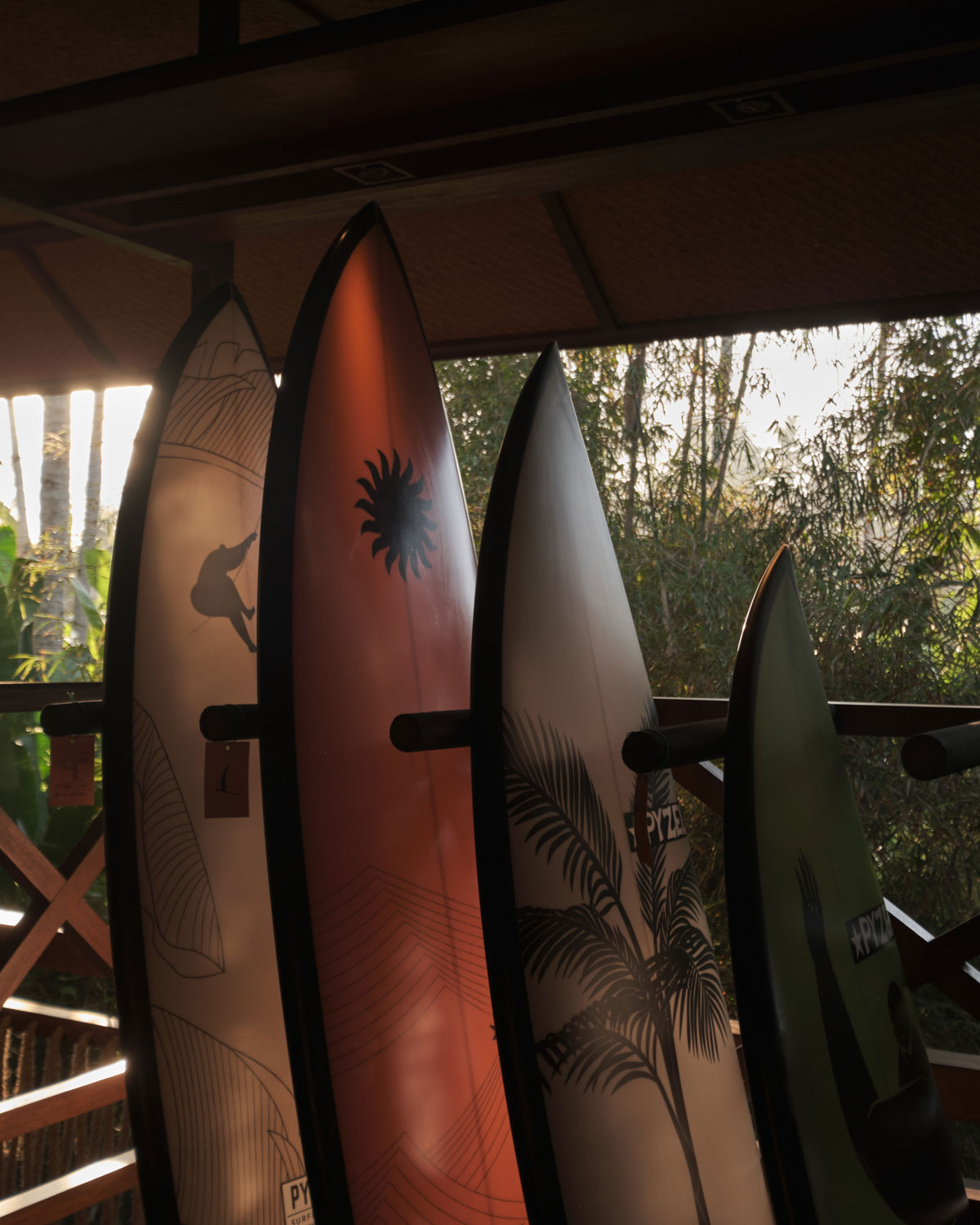
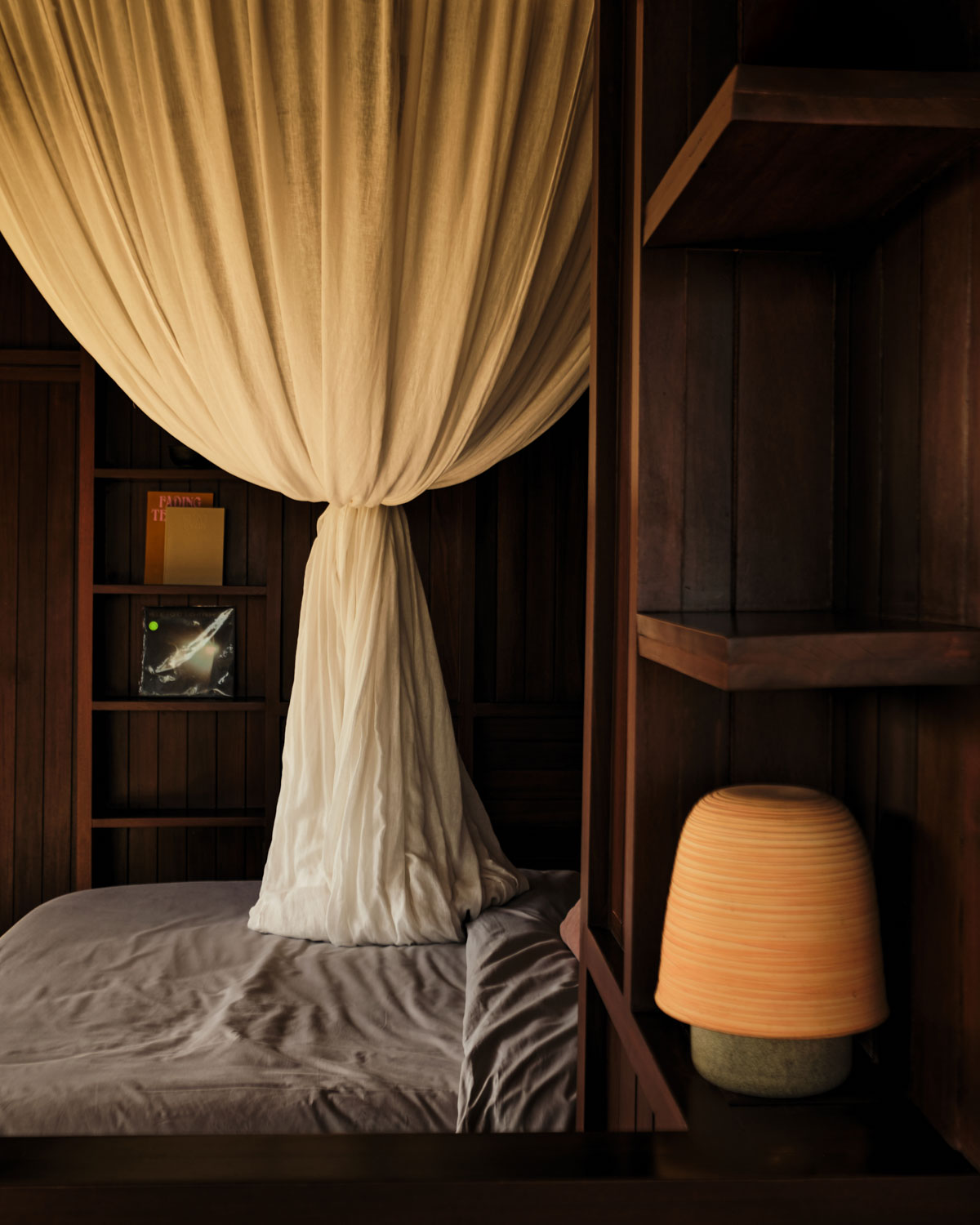
The buildings felt almost suspended in the landscape. Dark timber, oversized roofs, linen curtains and open façades created a constant dialogue between inside and outside. Light moved through the spaces throughout the day, catching on wood, stone and fabric before disappearing back into the surrounding jungle.
I was particularly drawn to the way the architecture didn't try to dominate its setting. Instead, it seemed to frame it, the palms, the changing light, the sound of the ocean somewhere beyond the trees. The hotel describes its architecture as a contemporary interpretation of Rumah Panggung, traditional Indonesian houses on stilts, with separate structures brought together as a kind of “flying village.”
I approached the photographs in much the same way I experienced the place: slowly, without forcing the compositions. Looking for the moments where architecture, light and landscape became inseparable.
The result is a quiet study of a place that feels deliberately hidden, where the journey through the jungle is as much a part of the experience as arriving.